Christmas Tree with Snow: An Embroidery Design Review
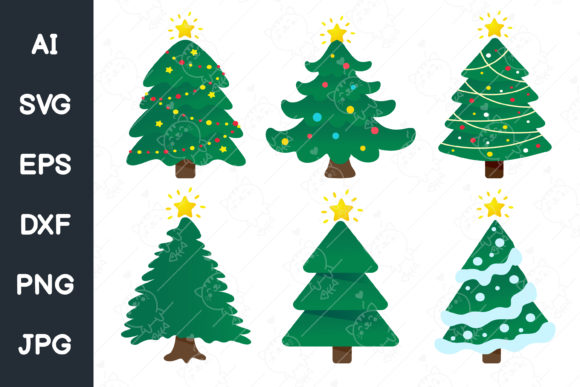
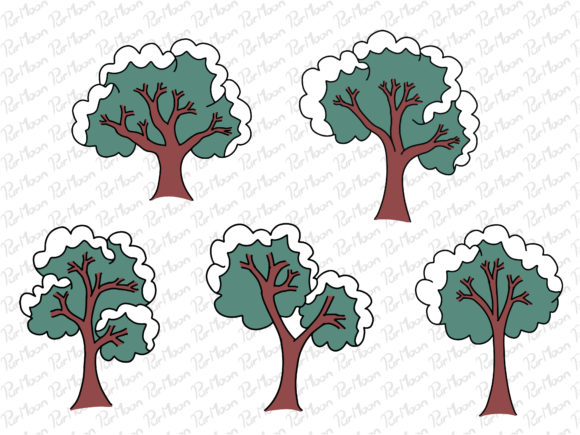
As a designer who has digitized and stitched out hundreds of holiday motifs, I approach every new machine embroidery design with a critical eye. It is not enough for a graphic to look beautiful on a screen; it must translate into thread without puckering, breaking needles, or losing its charm on fabric. When evaluating the Christmas Tree with Snow design, my first impression is one of classic versatility. This illustration captures a nostalgic, cozy mood that feels appropriate for both traditional holiday decor and modern winter apparel. The balance between the tree structure and the snow elements suggests a thoughtful layout, but as any experienced maker knows, the true test lies in how these Graphics perform under the needle.
Translating Illustrations to Thread on Custom Apparel
I recently tested this design for a client project involving custom crewneck sweatshirts intended for a small boutique’s holiday capsule collection. The goal was to create a handmade product that felt premium rather than mass-produced. In this real-world scenario, the Christmas Tree with Snow served as the central focal point on the chest of a heather grey sweatshirt. What stood out immediately was the design's adaptability. Unlike overly complex Illustrations that require constant thread trims or excessive density, this motif maintained clarity even when scaled to fit a 4x4 hoop.
For sweatshirt embroidery, the interaction between the stitch type and the fleece backing is crucial. The snow elements in this design likely utilize a combination of fill stitch and satin stitch to create texture. On the sweatshirt, the snow appeared soft and dimensional, contrasting beautifully against the fuzzy fabric texture. However, because fleece can swallow fine details, I had to ensure the stitch density was sufficient to prevent the background fabric from showing through the white snow sections. If you are using this embroidery file for similar custom apparel, pay close attention to your underlay settings. A proper edge run or center walk underlay will anchor the fleece fibers and provide a stable foundation for the top stitches, ensuring the tree remains crisp after washing.
Navigating Fabric Textures and Stabilizer Choices
While this design shines on stable knits, it requires more strategy when applied to challenging materials. I evaluated the Christmas Tree with Snow for potential use on tea towels and linen napkins—popular items for holiday embroidery gifts. Linen is unforgiving; it shifts easily and shows every tension issue. Here, the choice of stabilizer becomes the difference between a professional finish and a distorted mess. For this specific design on woven fabrics, I recommend a medium-weight cut-away stabilizer rather than tear-away. The snow details often involve directional stitching that can pull the fabric grain; a cut-away provides permanent support that maintains the integrity of the finished product.
Conversely, if you plan to use this as a tote bag design on unlined canvas, be wary of hoop burn and shadowing. Canvas is thick, but the contrast between dark green tree threads and white snow threads can sometimes cause "grin-through" if the tension is too tight. Testing on scrap fabric is non-negotiable here. I found that slightly loosening the bobbin tension helped the snow stitches lay flatter against the canvas weave, creating a smoother surface that feels high-quality to the touch. This level of refinement is what separates a hobbyist craft from a viable small shop product.
Considerations for Small Hoops and Detailed Items
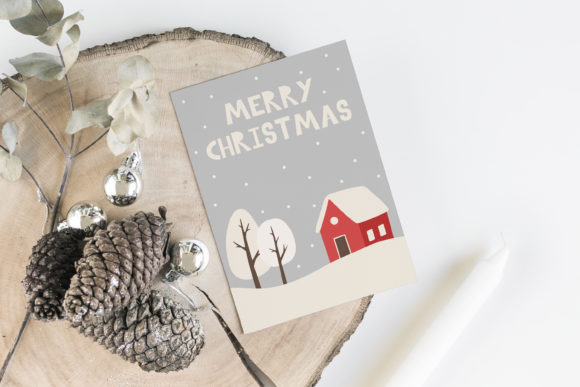
Not every project allows for large placement. When resizing Christmas Tree with Snow for smaller applications like baby onesies, caps, or embroidered patches, detail loss is the primary risk. The product description notes suitability for stickers and greeting cards, which implies clean lines, but converting those same lines to a 2-inch patch requires scrutiny. In my experience, intricate snow branches may need to be simplified or merged into broader shapes when stitching at very small sizes to prevent thread breaks and bird nesting.
For baby embroidery, safety and comfort are paramount. You must check the back of the design for rough spots or excessive jump stitches. If the Christmas Tree with Snow contains many color changes or long jumps between snowflakes, you will need to manually trim these during production or edit the digital embroidery file beforehand. Babies have sensitive skin, and a scratchy embroidery back can ruin the appeal of an otherwise adorable personalized gift. Always run your fingers over the reverse side of your test stitch-out. If it catches your skin, it needs adjustment before it touches a child’s garment.
Commercial Viability for Etsy Sellers and Makers
For the Etsy seller or creative entrepreneur, this design offers significant commercial potential, provided you verify the licensing terms included with your purchase. The versatility mentioned in the product files—ranging from mugs to wall art—suggests broad usage rights, but you must confirm whether you can sell physical personalized gifts versus digital assets. Assuming commercial use is permitted, this design is a strong candidate for bundling. Pairing the Christmas Tree with Snow with a simple monogram font creates a customizable listing that increases average order value.
Visual presentation is equally important for sales. When creating a printable mockup or photographing your samples, consider how the design reads in thumbnails. The high contrast inherent in a snowy tree theme generally performs well in search results, but lighting matters. Natural light brings out the sheen of rayon or polyester threads used in the snow sections, adding perceived value to your craft business listings. Avoid flat, artificial lighting that makes the embroidery look like a print. Customers buy embroidery for the texture; show them the dimensionality of the snow and the richness of the tree colors to build trust and engagement.
Essential Pre-Stitch Checklist for Professional Results
Before committing this design to a final embroidery project, run through this practical checklist to ensure success across various applications:
- Verify File Compatibility: Ensure the embroidery file format matches your machine and that the design dimensions fit your available hoop size without distortion.
- Test Stitch Density: Run a sample on the exact fabric you intend to use. Check if the snow fills are too dense for lightweight knits or too sparse for textured linens.
- Contrast Check: Test thread colors against both light and dark backgrounds. White snow on cream fabric may disappear; consider using a metallic silver or pale blue for better definition on light garments.
- Stabilizer Match: Select stabilizer based on fabric weight and drape. Use water-soluble topping on high-pile fabrics like terry cloth or velvet to keep snow details visible.
- Mockup Validation: Create a black and white version of your design assets to check value contrast. If the tree and snow blend together in grayscale, they may lack visual pop in low-light photos.
- Licensing Confirmation: Double-check the included license regarding commercial embroidery limits, especially if selling digital files or mass-producing items for retail.
- Wash Test: If making items for frequent use like aprons or baby clothes, wash and dry the sample to ensure the applique design or fill stitches do not shrink or pucker relative to the base fabric.
The Christmas Tree with Snow is a promising asset for makers seeking that perfect blend of festive tradition and modern application. By treating it not just as a pretty picture but as a technical blueprint for thread, you elevate your work from simple decoration to professional craftsmanship. Whether you are stitching a heirloom stocking or fulfilling orders for a holiday market, respecting the relationship between this digital art and physical materials will ensure your creations bring genuine joy and lasting quality to your customers.