Christmas Cap Costume Illustration Review
As a designer who spends more time behind an embroidery machine than a computer screen, I approach every new graphic asset with a healthy dose of skepticism. When evaluating the Christmas Cap Costume Illustration, my first thought isn't just about how cute it looks on a monitor; it is about how those vector lines will translate into thread tension and fabric stability. This design arrives as a comprehensive digital package including AI, EPS, SVG, and DXF files at a 1920px x 1280px canvas size. While these are technically illustration formats rather than pre-digitized machine embroidery designs, they serve as the critical blueprint for creating high-quality custom apparel and holiday merchandise. For Etsy sellers and small shop owners, understanding the bridge between this vector art and a finished stitched product is where the real value lies.
Visual Personality and Seasonal Mood
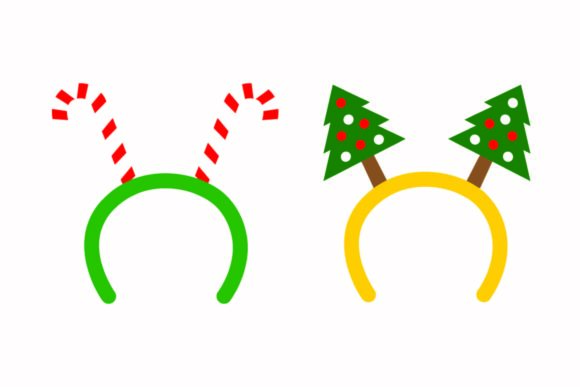
The immediate strength of this Christmas Cap Costume Illustration is its distinct visual hierarchy. In the world of holiday graphics, it is easy to get lost in cluttered details that turn into muddy stitch blocks. This artwork, however, maintains clean separation between elements. The mood is playful yet structured, making it versatile enough for both children’s wear and adult novelty items. As a graphic asset, the lines suggest a balance between bold shapes suitable for satin stitch borders and open areas perfect for fill stitch or applique work. When I look at this file, I don't just see a drawing; I see a potential embroidered patch or a centerpiece for a festive sweatshirt. The personality feels handmade and approachable, which is exactly what buyers seek when purchasing personalized gifts or boutique holiday products.
Real-World Application: The Custom Sweatshirt Test
To truly judge this design, I mentally placed it into a recent client project: a run of unisex fleece sweatshirts for a local holiday market. Fleece is a textured fabric that can swallow fine details, so the scalability of the provided EPS and SVG files becomes paramount. Because the source canvas is 1920px x 1280px, I have ample resolution to resize the artwork without jagged edges before digitizing. For this specific embroidery project, I envision using the cap illustration as a left-chest placement rather than a massive back print. At a 4-inch width, the design retains its charm without requiring excessive stitch density that could make the garment stiff or bulletproof.
In this scenario, the Christmas Cap Costume Illustration performs exceptionally well as a layering element. I would likely use a cut-away stabilizer to manage the stretch of the fleece and prevent puckering around the cap's curved brim. The clean vector lines allow me to decide whether to render the hat in traditional red and white thread colors or adapt it to match the sweatshirt’s base color for a tonal, high-end look. This flexibility is vital for craft business owners who need one design asset to serve multiple product variations. Whether applied to a tote bag design or baby embroidery, the illustration’s proportions hold up, ensuring the finished product looks professional rather than like a generic clip-art transfer.
Navigating Fabric Limitations and Hoop Constraints
While the artwork is solid, practical application requires caution. Not every surface welcomes this type of detailed illustration equally. If you plan to use this for cap embroidery, be mindful of the curved sewing field. The flat perspective of the Christmas Cap Costume Illustration may need slight distortion or simplification to accommodate the cylindrical shape of a hat hoop. Detailed corners and tiny accents that look crisp in Adobe Illustrator might become thread nests on a curved, structured cap. Similarly, when working with thin fabrics like tea towels or lightweight nursery decor, the stitch density derived from this graphic must be managed carefully. Over-digitizing the fill areas based on this illustration could cause needle holes or fabric tearing.
Dark fabrics present another consideration. Since this is a vector graphic and not a pre-stitched file, you control the underlay. However, the design’s complexity means that on dark velvet or navy cotton, you must ensure sufficient contrast. A running stitch outline in a light color might be necessary to define the edges of the cap against a dark background, preventing the design from disappearing visually. For small hoop sizes, such as 4x4, you may need to isolate specific elements of the costume illustration rather than forcing the entire composition. Trying to shrink complex graphics too small often results in lost detail and frustrated customers. Always respect the minimum size requirements for legible stitching.
Elevating Brand Value and Customer Trust
For digital product sellers and handmade shop owners, the quality of your source graphics directly correlates to perceived brand value. Using a polished asset like the Christmas Cap Costume Illustration signals professionalism. When customers browse Etsy listings, they are subconsciously evaluating the consistency of your design assets. A well-executed interpretation of this graphic—where the stitch direction follows the flow of the illustration and thread colors complement the fabric texture—builds buyer engagement and trust. It transforms a simple holiday item into a keepsake.
Furthermore, having access to the original AI and DXF files allows for genuine customization. If a client requests a name integrated into the cap’s band, you aren't stuck trying to trace a flattened JPEG. You can modify the vector paths directly, ensuring the text flows naturally with the existing artwork. This capability is essential for commercial embroidery projects where personalization drives sales. The ability to create accurate printable mockups using these high-resolution vectors also helps in selling the concept before a single needle penetrates fabric, saving time and materials while boosting conversion rates.
Essential Designer Notes for Successful Execution
Before loading this design into your workflow, adhere to these practical checkpoints to ensure success across various applications:
- Verify Licensing Terms: Confirm whether your purchase includes rights for commercial embroidery or digital resale. The file formats provided are excellent for creation, but legal usage depends on the specific license agreement attached to the product.
- Test Stitch Density: Never assume default auto-digitizing settings will work. Create a test swatch on scrap fabric identical to your final product to check for pull compensation and registration issues.
- Check Thread Color Contrast: View your digitized version in black and white simulation mode. If the design loses definition without color, adjust your stitch angles or add texture to improve clarity.
- Stabilizer Selection: Match your stabilizer weight to the fabric and the design’s density. Stretchy knits require cut-away stabilizers, while woven cottons may suffice with tear-away options.
- Mockup Accuracy: Use the 1920px x 1280px canvas to create realistic digital previews. Ensure the scale in your mockup matches the actual intended stitch size to avoid misleading customers.
- Detail Inspection: Zoom in to 400% on the vector file before digitizing. Remove any stray anchor points or overlapping paths that could cause machine errors or unnecessary trims.
Ultimately, the Christmas Cap Costume Illustration is a robust foundation for holiday creativity. It offers the technical quality needed for professional results and the aesthetic warmth required for seasonal sales. By treating this graphic as a starting point for thoughtful digitizing rather than a plug-and-play solution, makers can produce embroidered patches, custom apparel, and personalized gifts that stand out in a crowded marketplace. Success lies in respecting the relationship between the digital line and the physical thread.