Christmas Bundle Greeting Cards: A Designer Review
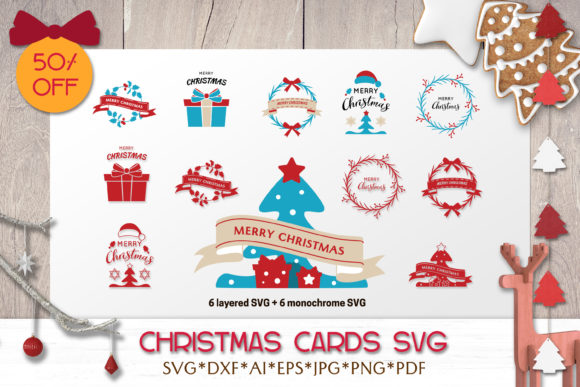
As a professional embroidery digitizer and product reviewer, I approach every new graphic asset with a specific question: will this actually stitch out well on fabric? When evaluating the Christmas Bundle Greeting Cards, my focus shifts immediately from screen aesthetics to tactile reality. This collection, featuring six colored and six monochrome card designs with layered SVG files, presents a unique opportunity for mixed-media creators. However, translating digital illustrations into a tangible machine embroidery design requires careful consideration of structure, density, and end-use application.
First Impressions and Visual Personality
Upon opening the file set, the visual mood is distinctly festive yet clean. The separation of colors in the SVG format suggests these were originally intended as cut files or print graphics. For an embroidery designer, this layering is a double-edged sword. On one hand, it provides a clear roadmap for color blocking. On the other, vector layers do not automatically account for thread physics. The designs possess a charming, illustrative quality that feels appropriate for traditional holiday embroidery. They lack the chaotic complexity of some modern clip art, which is a relief; simpler lines often translate better to needle and thread.
The monochrome versions are particularly interesting for commercial use. Because they can be recolored in Illustrator or Photoshop before digitizing, they offer immense flexibility for brand consistency. If you are creating a line of boutique merchandise, being able to shift a red and green motif to navy and gold without losing detail is invaluable. This adaptability makes the Christmas Bundle Greeting Cards a strong candidate for sellers who need cohesive design assets across multiple product categories.
Real-World Application: The Embroidered Tote Bag Test
To truly judge this bundle, I mentally placed it onto a canvas tote bag project intended for a holiday market. Totes are a staple handmade product, but their textured weave can swallow fine details. In this scenario, the colored card designs would likely serve best as applique design bases rather than full-fill embroidery. Using the SVG layers as cutting guides for fabric applique would reduce stitch count significantly while maintaining the vibrant, graphic look of the original illustration.
For the monochrome cards, I envisioned them as tone-on-tone accents on natural linen totes. Here, a satin stitch border combined with a light fill stitch interior would create an elegant, high-end feel. However, because these are vector-based graphics, a digitizer must manually add underlay stitches to prevent the canvas texture from poking through. Without proper underlay, even the most beautiful digital embroidery file will look amateurish on textured fabrics. For an Etsy seller or small shop owner, taking the extra time to stabilize and underlay these designs correctly is what separates a premium custom apparel item from a craft fair reject.
Navigating Fabric Limitations and Hoop Constraints
While the aesthetic is versatile, practical application requires caution. These greeting card designs likely feature rectangular borders and corner details that demand precision. When working with stretchy fabrics like sweatshirt fleece or jersey knits, geometric shapes can distort easily. If you plan to use these for sweatshirt embroidery or baby items, you must use adequate stabilizer. A cut-away stabilizer is non-negotiable for knit fabrics to maintain the integrity of the card shape after washing.
I would also advise against using the full-sized colored designs on curved surfaces like caps. The flat perspective of a greeting card rarely wraps well around a structured hat front. Instead, isolate specific elements from the bundle—perhaps a single holly sprig or a banner—for headwear. For baby embroidery, scale is critical. Reducing these designs too much may cause running stitch outlines to disappear or satin columns to become too narrow to stitch safely. Always verify the minimum safe width for your machine’s needle size before resizing any embroidery project derived from vector art.
Commercial Viability and Product Value
For creative entrepreneurs, the value of this bundle lies in its dual nature. The ability to produce both vibrant, multi-colored pieces and sophisticated monochrome items allows for a broader product range. A personalized gift featuring a monochrome version might appeal to minimalist buyers, while the colored versions attract traditionalists. This variety increases buyer engagement and helps establish a professional brand identity.
However, professionalism extends beyond the design itself. It includes how you present the finished item. Because these are graphics-first assets, creating accurate printable mockup previews is essential for online sales. Customers need to see how the "card" translates to cloth. Does it look like a stiff patch, or does it drape naturally? Testing the stitch density ensures the final product isn't bulletproof. Overly dense digitization of these layered vectors could result in a heavy, uncomfortable patch on a lightweight garment. Balancing coverage with drape is key to customer satisfaction and repeat business.
Essential Designer Notes for Success
Before committing this bundle to production, adhere to these practical guidelines to ensure quality results:
- Test Stitch on Scrap Fabric: Never run a new digitization directly on a sellable product. Test the Christmas Bundle Greeting Cards on the exact fabric and stabilizer combination you intend to use to check for registration issues between color layers.
- Verify Licensing Terms: While the description mentions recoloring in design software, always confirm whether the license permits selling finished embroidered goods versus just the digital files. Commercial embroidery rights vary by creator.
- Check Thread Color Contrast: For the monochrome versions, test stitching in both light and dark threads. Some details visible in the vector file may get lost if the thread color matches the fabric too closely.
- Assess Small Details: Inspect tiny lettering or intricate corners. If elements are smaller than 2mm, they may need to be simplified or removed to prevent thread breaks and needle damage.
- Evaluate Washability: If making tea towels or aprons, ensure the design uses durable stitch types. Long float stitches in decorative areas may snag during laundering.
- Confirm Hoop Size Compatibility: Measure the actual dimensions of the artwork. Ensure it fits comfortably within your hoop with room for stabilization, or plan to split the design professionally if resizing isn't an option.
Final Thoughts for Makers and Sellers
The Christmas Bundle Greeting Cards offers a solid foundation for holiday collections, provided the transition from screen to stitch is handled with technical respect. The layered SVG structure is a helpful guide, but it is not a substitute for proper digitizing expertise. By focusing on appropriate fabric pairings, managing density, and respecting the physical limitations of thread, you can transform these digital illustrations into high-value small shop products.
Whether you are crafting a tote bag design for a winter market or developing a signature line of embroidered patches, success comes from understanding the material. Treat these graphics as blueprints rather than finished patterns. With thoughtful adaptation and rigorous testing, this bundle can elevate your seasonal offerings and delight customers looking for authentic, well-crafted holiday decor. Remember, in the world of machine embroidery, the most beautiful file is the one that stitches out flawlessly every time.